 Shexgrokow


A Dance Between Growth and Grace
Pruning is far more than a simple gardening chore — it is a conversation between human hands and nature’s rhythm. When done with intention and understanding, pruning shapes not only the beauty of trees and shrubs but also their health and longevity. Each careful cut guides a plant toward balance, allowing it to breathe, blossom, and thrive in harmony with its surroundings.
Understanding the Purpose of Pruning
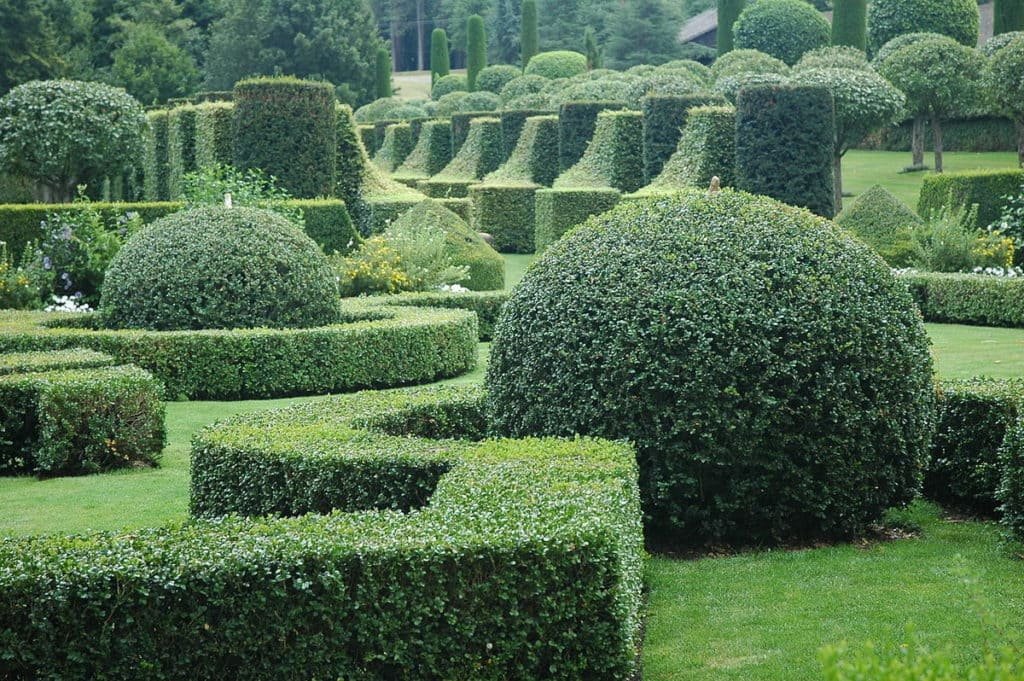
At its heart, pruning serves three main purposes: health, aesthetics, and control. By removing diseased, dead, or crossing branches, we prevent decay and pest infestations from spreading. Structurally, pruning ensures a plant grows in a stable and balanced form, reducing the risk of breakage during storms. And artistically, it refines the silhouette of a tree or shrub — highlighting its natural character while maintaining a sense of order within the garden.
Timing Is Everything
Different seasons call for different approaches. Late winter or early spring is the best time for most trees, as it encourages vigorous new growth once the warmth returns. Flowering shrubs, however, prefer pruning just after they bloom — otherwise, their buds for the next season may be lost. Patience and observation are key; nature rewards those who learn her timing rather than rush her cycles.
Techniques for Thoughtful Pruning
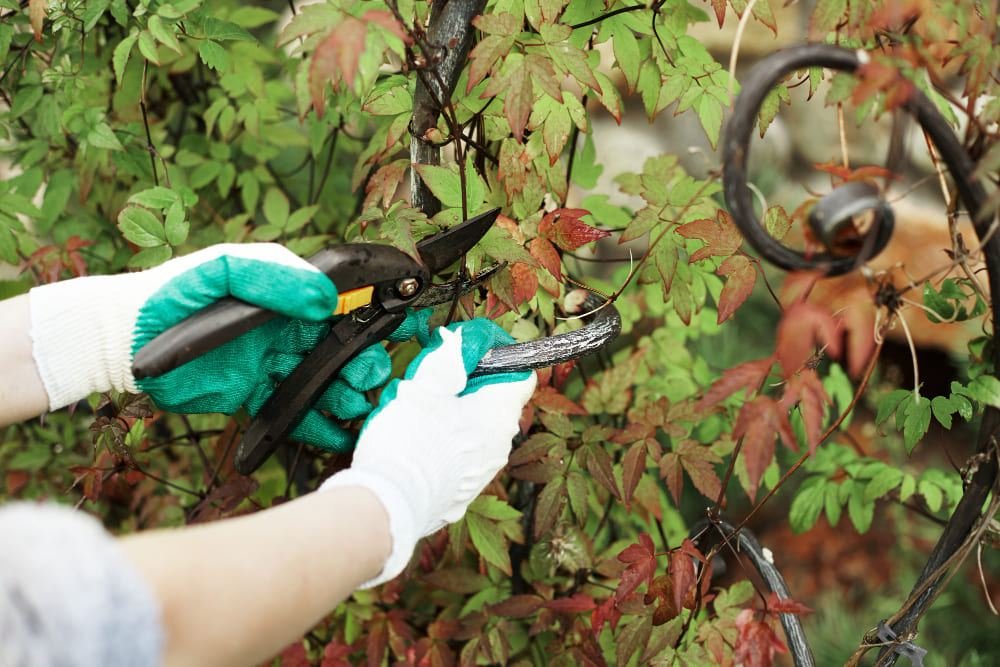
Each cut should be deliberate. Begin by removing the obvious — deadwood, weak stems, or branches that cross awkwardly. Then step back and observe the plant’s form. The goal is not perfection but balance — an open canopy that allows sunlight and air to reach every leaf. Make cuts just above a bud that faces outward, encouraging natural, graceful growth. Sharp, clean tools are essential; a dull blade bruises, while a keen one heals.
Pruning for Renewal and Rejuvenation
Overgrown shrubs and aging trees often benefit from rejuvenation pruning — a gradual process of renewal. By removing one-third of the oldest branches at their base over several years, you encourage the plant to produce vigorous new shoots. This method breathes life into tired vegetation, restoring its youthful vitality without shocking it into stress.
Harmony Between Hands and Nature
There is a quiet satisfaction in pruning — a sense of partnership with the living world. Each snip of the shears is a gesture of care, a way to help nature express her full potential. When done thoughtfully, pruning becomes an act of stewardship, ensuring that our trees and shrubs continue to provide shade, beauty, and life for generations to come.
Conclusion: Cultivating Balance
To prune is to understand growth itself. It is a practice of restraint as much as creation — knowing when to cut, and when to let be. In every garden, there lies an unspoken truth: that beauty flourishes not in excess, but in balance. And through the gentle art of pruning, we shape that balance — one branch, one season, one mindful act at a time.